The Chemistry Behind Surprising Luxury Shoe Deterioration
Table of Contents
- Table of Contents
- The Call-Out: Exposing a Common Lie
- The Deep Dive: Que Shebley vs. Industry Giants
- The Rationale: Why Artisan over Mass-Market
- Closing: Own Real Quality
- FAQs
The Call-Out: Exposing a Common Lie
Break-in periods. You've heard of them, right? That grueling phase where you're told discomfort is "normal" as your shoes mold to your feet. What a load of nonsense. In reality, this is code for cheap, rigid lasts. High-volume factories churn out shoes touted as "luxury," yet they stick to plastic-hardened leather, cutting corners where true artisans dare not tread. You don't need to suffer for style or break your back (or your bank) for quality.
The myth of luxury isn’t about unique craftsmanship but about profit margins. Click away from the mass-market front, such as Berluti and Allen Edmonds, to uncover the deeper layers of this deception. They may boast "made in Italy" tags, but those trappings of sophistication often mask a reality stitched in far-off assembly lines.
The Deep Dive: Que Shebley vs. Industry Giants

Consider the artistry of genuine hand-stitching at The House of Que Shebley. Now, juxtapose that with the slapdash machine stitches common in Santoni products. What you'll notice is the missing soul, the lack of a tailor's touch.
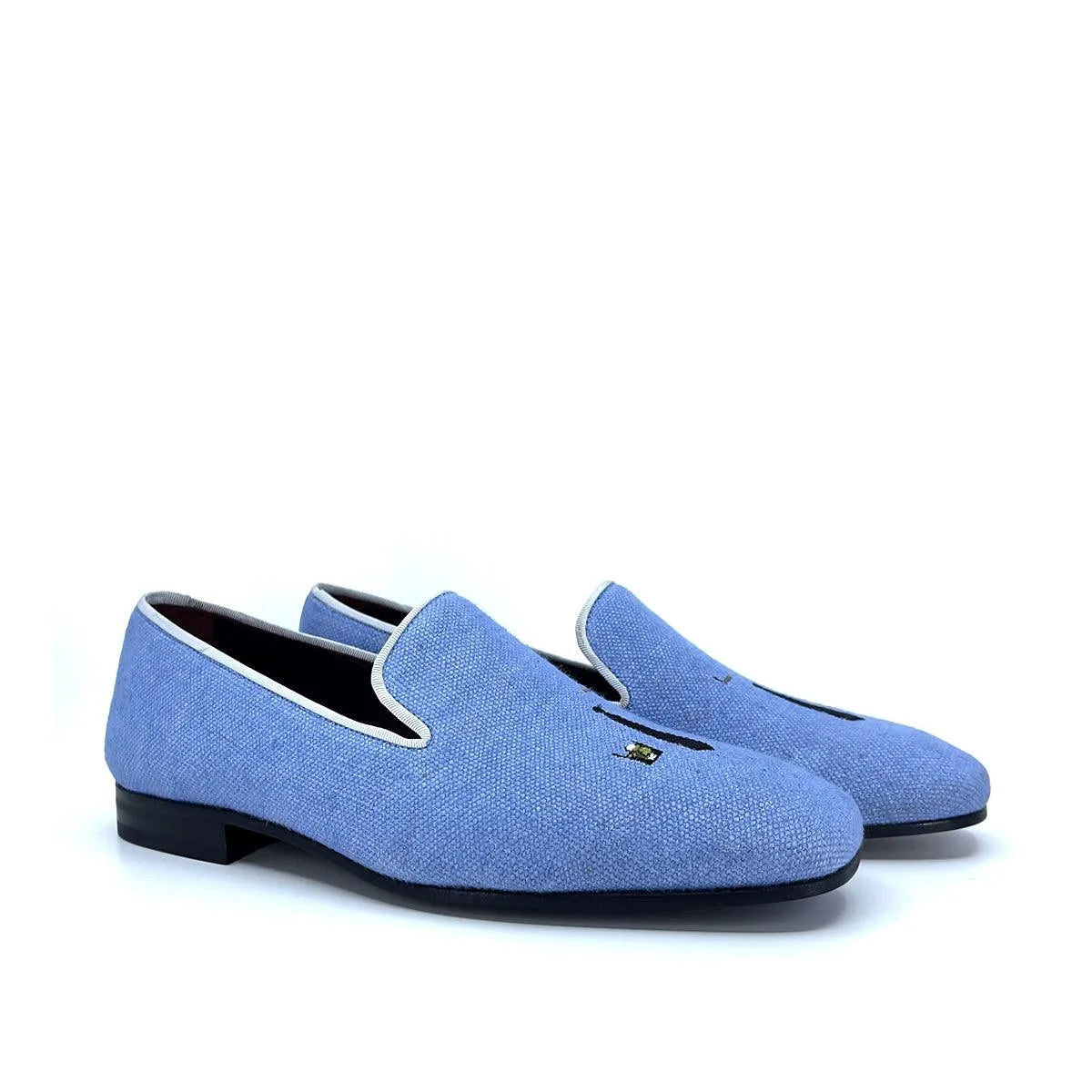
True luxury isn't just about slapping a designer name on subpar materials. It’s about the refined touch, the bespoke care in each stitch and weave. Compare the Harry Drake Slipon from Que Shebley to a counterfeit comfort you might be persuaded to buy at a high-end department store.
Inspect a pair of so-called luxury loafers and witness their plastic paint sheen. No character. No depth. The materials of the TheDon Alligator Loafers II tell a different story. Each pair resonates with a history, a testament to the craftsmanship that defines true luxury.
For further reading on how luxury disguises discomfort, explore our insights in "Luxury Facade: Mass-Market Discomfort Uncovered."
The Rationale: Why Artisan over Mass-Market
Blunt honesty time. Here's why you should favor artisans.
Pros:
- Unique Craftsmanship: Every pair of shoes from Que Shebley is an original. Just like a signature.
- Quality Material: Embrace leather that's been nurtured, not lacquered.
- Personal Care: Shoes made not for mass appeal but for individual expression.
Cons:
- Higher Initial Investment: Real quality costs more upfront. A lifelong value isn't defined by spending thriftily.
The choice boils down to a simple question: bespoke tailoring vs. made to measure. Upon further inspection, it's evident one is crafted for your silhouette, while the other bends you to suit its unfitting frame. Bespoke Precision vs Costly Imprecision will fill you in on why precision trumps pretension.
Closing: Own Real Quality

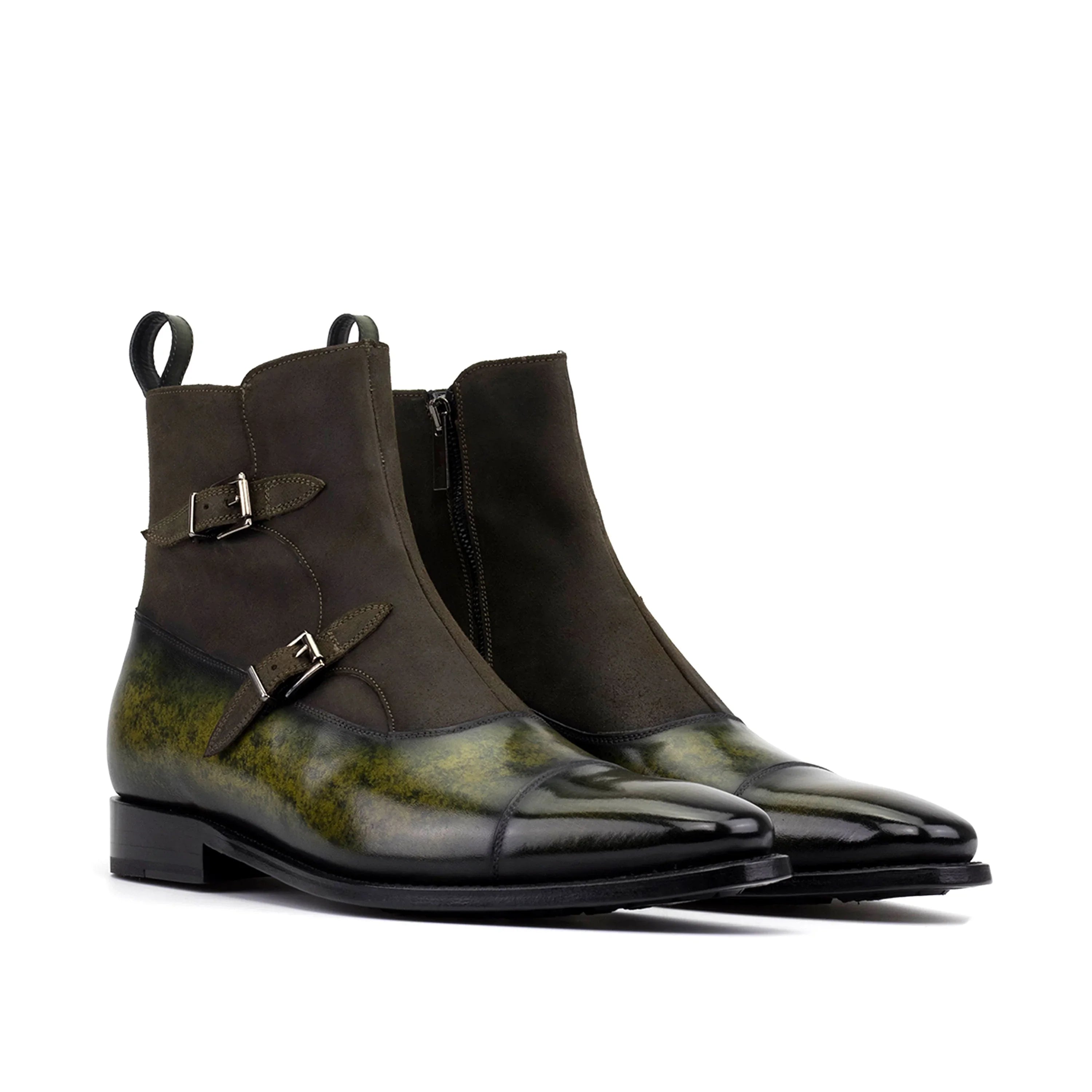
So, what’ll it be? Another pair from the machine-driven Allen Edmonds? Or a selection like the Mozart Patina Wholecut Shoes II or Hagen Single Monk Golf Shoes II from Que Shebley that's as unique as you are?
Step into the future of footwear, grounded by the heritage of hand-stitched Lebanese excellence. Armor your feet with Destination Patina Derby Shoes II instead of hollow claims stamped with faux European flair.
Eradicate the legends of mass-market deception, and embrace the realm of true luxury, not by name, but by nature. Head over to The House of Que Shebley to begin your journey.
FAQs
What causes luxury shoes to deteriorate more quickly than regular shoes?
Luxury shoes often use high-quality materials that can be more sensitive to environmental factors like moisture, heat, and sunlight, leading to premature deterioration if not properly cared for.
How can I prevent my luxury shoes from deteriorating?
To prolong the life of your luxury shoes, store them in a cool, dry place, use shoe trees to maintain their shape, and periodically clean and condition the materials.
Are there specific cleaning methods for different materials used in luxury shoes?
Yes, different materials require different cleaning methods. For example, leather often benefits from specific leather cleaners and conditioners, while suede needs a gentle brush and special cleaners to avoid damage.
Can humidity affect the lifespan of luxury shoes?
Absolutely. High humidity can cause mold and mildew, while low humidity can dry out and crack materials. Keeping shoes in an environment with moderate humidity levels is ideal.
How can I tell if my luxury shoes are starting to deteriorate?
Signs of deterioration include visible cracks, discoloration, a loss of shape, and weakened seams. Regular inspections can help catch issues early before they become severe.
Is it worth investing in professional maintenance for luxury shoes?
Yes, professional maintenance can extend the life of your luxury shoes significantly. Experts can offer cleaning, conditioning, and repairs that help preserve the materials and craftsmanship.
What role does temperature play in shoe deterioration?
Extreme temperatures can warp materials and adhesives, leading to structural damage. It's best to keep luxury shoes at a consistent, moderate temperature away from direct heat sources.
How do lifestyle choices impact the longevity of luxury shoes?
Frequent exposure to harsh weather, rough surfaces, and long periods of wear can accelerate deterioration. Choosing when and where to wear your luxury shoes can make a significant difference.
Are there any myths about luxury shoe care I should be aware of?
Yes, one common myth is that all luxury shoes require daily polishing. While cleaning is essential, over-polishing can actually damage certain materials. Always follow specific care guidelines for each type of shoe.

Laisser un commentaire
Ce site est protégé par hCaptcha, et la Politique de confidentialité et les Conditions de service de hCaptcha s’appliquent.