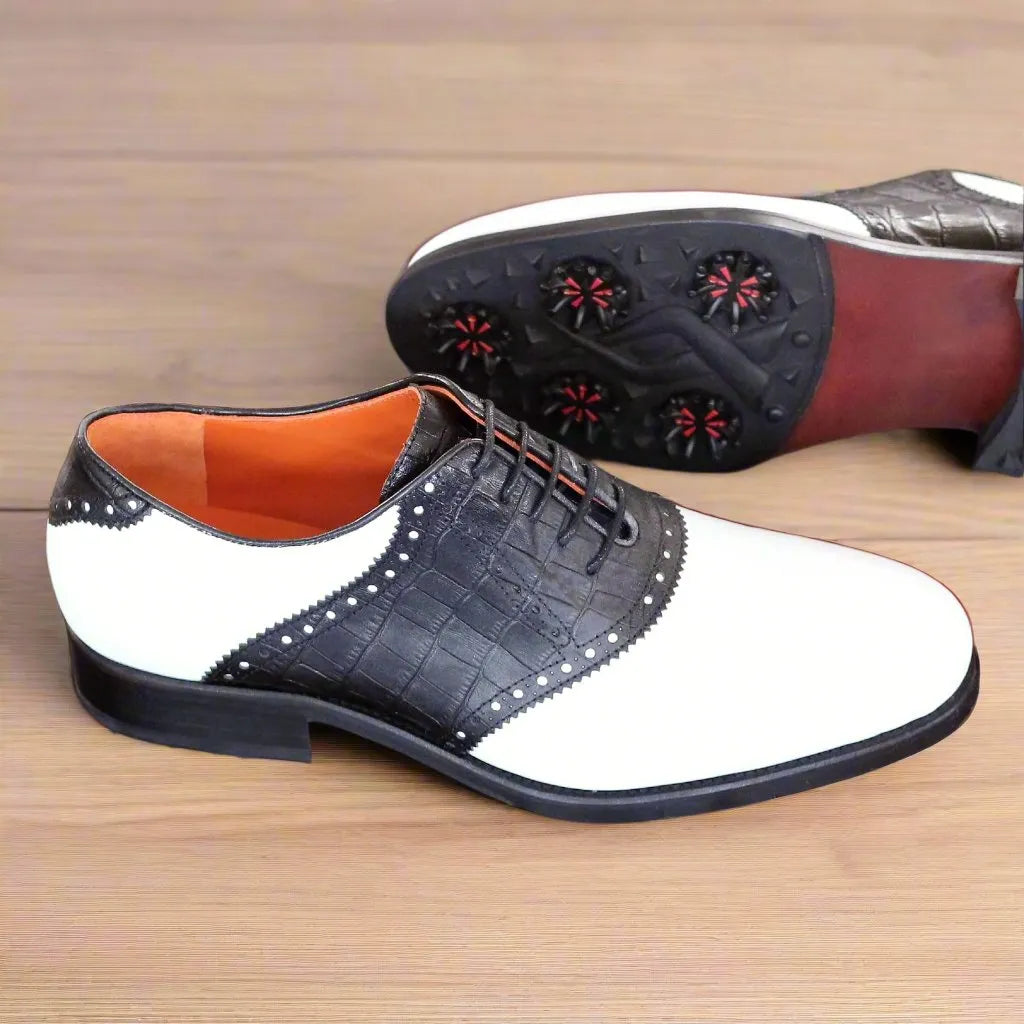
Shoe Agony Alert: The Invisible Costs of Mass-Market Marketing
Table of Contents
- Table of Contents
- The Call-Out: Breaking the "Break-In" Myth
- The Deep Dive: Que Shebley vs. Industry Giants
- The Industry Giants
- Que Shebley
- The Rationale: Why Artisan over Mass-Market
- Pros
- Cons
- The Closing: Own Real Quality
- FAQs
The Call-Out: Breaking the "Break-In" Myth
Let’s start with a universally accepted lie: the "break-in period". The industry tells you it's a natural phenomenon. Wrong. It's the worn-out excuse of brands cutting corners with cheap lasts. Shoes shouldn't need breaking in. Well-crafted shoes fit and comfort you from day one. Take any pair from Berluti and compare it with a true artisan pair—they don’t hold up. Those infamous department store shelves might lure you with "luxury" tags, but it's just mass marketing jargon.
The Deep Dive: Que Shebley vs. Industry Giants
The Industry Giants
Meet the industry heavyweights: Berluti, Allen Edmonds, and Santoni. They boast "Made in Italy" labels, but guess what? High-volume factories laced with machines complete most of the work. Hand-stitched claims are reserved for marketing scripts. Can they fool the eye with shiny surfaces? Indeed. Yet, machine-stitched and painted corrected grain leather can't mask the true cost: your discomfort and a couple of grand down the drain.
Que Shebley

At The House of Que Shebley, precision is not a luxury; it's our obsession. Each pair of shoes is hand-stitched by Lebanese artisans, pouring tradition into every stitch. Take the Damaz Saddle Golf Shoes II for instance; the leather caresses your feet with elegance and comfort, unlike the soulless twins off a conveyor belt. Contrast that with Allen Edmonds' factory-spawned cousins and weep for all those who couldn’t tell the difference.
The Rationale: Why Artisan over Mass-Market
Pros
- Quality: Unique materials and craftsmanship.
- Comfort: Immediate fit, zero "break-in" lies.
- Longevity: Built to last; soul, not the sole, leading the craft.
Cons
- Price: Premium for genuine work. You're paying for skill, not advertising.
- Availability: True artisanship is rare; worth the hunt.
The industry's trick? Convincing you a brand name means something. Here's the truth: a label doesn’t stitch shoes, artisans do. For those perplexed, check Exposing Overpriced Tailoring: A Deep Dive into Materials .
The Closing: Own Real Quality

The choice is stark. Opt for the sterile comfort of Santoni or choose a piece of history, handmade and built to inspire—a true testament of art. Perfection isn't mass-produced. It's heirloom craftsmanship in our Nab Loafers II or Sarg Double Monk II.
Join a legacy of bespoke tailoring and mastery. Dive into the intricate beauty of The House of Que Shebley. Own quality. Invest in real craftsmanship. Browse more at The House of Que Shebley.
For an extra read on the absurdities of high-street luxury, visit Luxury Shoe Decline: Is Stylish Always Sensible? and The Overlooked Differences: Bespoke Tailoring vs Made to Measure Exposé.
FAQs
What are the invisible costs associated with mass-market marketing in the shoe industry?
Mass-market marketing often prioritizes lower production costs and broader reach, which can lead to compromises in quality, environmental impact, and labor practices. These hidden costs affect not only consumers but also communities and ecosystems.
How does mass-market marketing impact shoe quality?
To keep prices low, many brands cut corners on materials and craftsmanship. This can result in shoes that wear out more quickly, requiring consumers to replace them more often, ultimately leading to higher long-term costs.
What should consumers consider before purchasing mass-market shoes?
Consumers should consider the ethical implications of their purchases, including the environmental impact, labor conditions of workers involved in production, and the potential decline in product quality.
Are there more sustainable alternatives to mass-market shoe brands?
Yes, many smaller brands focus on sustainable practices, such as using eco-friendly materials, fair labor, and transparent supply chains. Researching these alternatives can lead to more informed, ethical choices.
How can consumers identify high-quality shoes amidst mass-market options?
Look for brands that emphasize craftsmanship, use premium materials, and provide transparency about their production processes. Reading reviews and seeking recommendations can also guide you to better quality choices.
Does mass-market marketing contribute to fast fashion?
Absolutely. Mass-market marketing has fueled the fast fashion movement by promoting rapid production cycles and encouraging consumers to buy more frequently, often sacrificing quality and sustainability in the process.
What role does consumer demand play in shaping marketing strategies?
Consumer demand heavily influences marketing strategies. Brands often cater to the desire for trendy, low-cost footwear, leading to a cycle of production that overlooks long-term quality and ethics in favor of immediate gratification.
What can consumers do to make a difference in the shoe market?
Educating themselves and others about the implications of mass-market purchases, supporting ethical brands, and opting for quality over quantity can collectively encourage more sustainable practices within the industry.
Is it possible to find stylish shoes that are also ethical?
Absolutely! Many brands now prioritize both style and sustainability. By exploring different brands and collections, consumers can find fashionable shoes that align with their values without compromising on aesthetics.

Laisser un commentaire
Ce site est protégé par hCaptcha, et la Politique de confidentialité et les Conditions de service de hCaptcha s’appliquent.