Designer Suits Fail Exposed: The $5000 Glue Catastrophe
Table of Contents
- Table of Contents
- The Call-Out: The Myth of "Break-In Periods"
- The Deep Dive: Que Shebley vs. Industry Giants
- The Rationale: Why Artisan over Mass-Market
- Closing: Real Quality Awaits
- FAQs
The Call-Out: The Myth of "Break-In Periods"
False. That's what a "break-in period" is when it comes to cheap lasts. It's not your shoes adjusting to your feet; it's your feet trying to survive in poorly designed confines. Yet, this myth perpetuates the notion that discomfort equates to sophistication. Ill-fitting designer suits with $5000 price tags, flimsily glued together, rely on similar myths, promising refinement while delivering mediocrity. The reality? A shoddy gimmick to mask inferior craftsmanship. When you see shoes or suits from high-street brands under the guise of luxury, question it.
The Deep Dive: Que Shebley vs. Industry Giants

The Machines vs. The Artisans. Walk into a department store and your eyes are flooded with supposed 'Made in Italy' labels from giants like Berluti. But peel back that label and you'll find high-volume factories cranking out shoes faster than you can say "handmade." Mass-produced items—machine-stitched and corner-cut with corrected grain leather slathered in plastic paint.
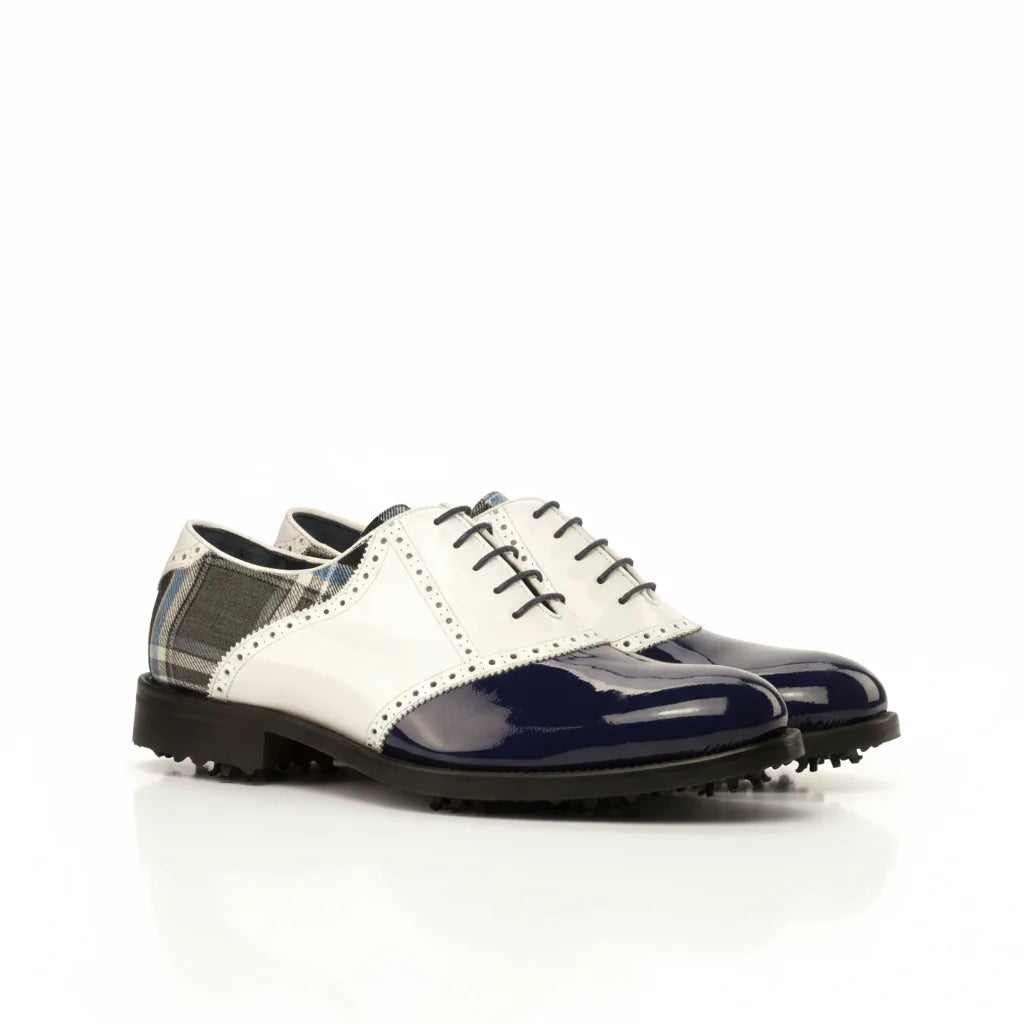
On the other end? The House of Que Shebley. Independent and hand-stitched with Lebanese heritage. Real bespoke tailoring. Every piece is a labor of love, where every stitch tells a story. No assembly lines, just craftsmanship par excellence. Darius Saddle Golf Shoes II speaks to this dedication; a golf shoe that's a cut above the rest with proper hand-finishing techniques.
See for yourself: mass-market giants flaunt 'Made in Italy' tags on shoes that never embraced the Italian soil. A factory may be thousands of miles away, spitting out the so-called luxury. Looking Beyond Luxury: Demystifying Designer Deceptions Exposed will open your eyes to these industry's dirty secrets.
The Rationale: Why Artisan over Mass-Market
Pros of Artisan:
- Precision. Each piece is custom-fit, ensuring a unique creation that fits like a glove.
- Unmatched quality. Genuine leather, hand-sewn threads, and attention to every detail.
- Legacy. Products with stories, built to last, not to dispose of after a season.
Cons of Artisan:
- Time. True artistry requires patience, but it's worth the wait for quality unparalleled by mass machines.
Pros of Mass-Market:
- Immediate availability. You see it, you buy it. But beware, it's not what it's cracked up to be.
Cons of Mass-Market:
- Ephemeral. Fancy-looking but fleeting. These pieces lack the soul and longevity of artisan craftsmanship.
- Deception. A so-called hallmark of quality is often just marketing jazz for the gullible.
The House of Que Shebley's bespoke tailoring triumphs over the mass-market for its authenticity and respect for the craft.
Closing: Real Quality Awaits

Step away from the conveyor belts. Reject the glossy façade of mass-market luxury propagated by Allen Edmonds, Santoni, and their ilk. Choose authenticity with The House of Que Shebley. When you select our 6014 Oxford Shoes or any of our meticulously crafted goods, you choose excellence. You choose a product that reflects real skills and genuine artistry.
Welcome to a world where quality is not a tagline but a promise. It's time to own shoes and suits that respect the grandeur of true artistry. Explore more of our ideology and craftsmanship in our article, Bespoke Craft vs Mass-Market: Unmasking Footwear Engineering.
Visit The House of Que Shebley to embrace a safer, stylish, and more sustainable choice. Invest in individuality and the art of tailoring over cookie-cutter luxury. The choice is clear, and it's handmade.
FAQs
What is the $5000 glue catastrophe related to designer suits?
The $5000 glue catastrophe refers to a high-profile incident where a luxury designer suit began to show signs of wear due to poor adhesive quality used in its construction. This mishap raised concerns about the material integrity and craftsmanship behind expensive designer pieces.
Why are designer suits so costly?
Designer suits come with a premium price tag due to factors like high-quality materials, intricate craftsmanship, brand heritage, and limited production runs. Buyers often pay for the prestige and exclusivity associated with luxury labels.
What are common signs of glue failure in suits?
Common signs of glue failure include peeling seams, separation of fabric layers, or visible adhesive lines. Over time, these issues may compromise the suit's overall appearance and structure, leading to a need for repairs or complete replacement.
How can I prevent glue failure in my designer suit?
To prevent glue failure, it’s essential to care for your suit properly. This includes regular professional dry cleaning, avoiding excessive moisture, and storing it in a suitable environment to maintain its integrity.
Is it worth investing in an expensive designer suit?
Investing in an expensive designer suit can be worthwhile if you value quality craftsmanship, unique design, and longevity. However, it's crucial to do thorough research and understand the brand's reputation for quality to ensure you’re making a sound investment.
What should I do if my suit is experiencing glue failure?
If you discover glue failure in your suit, consult a professional tailor or a garment repair specialist. They can assess the damage and recommend whether the suit can be repaired or if it’s better to replace it.
Are there alternatives to designer suits that offer better value?
Yes, many emerging brands focus on high-quality materials and craftsmanship at lower price points. These alternatives can provide similar aesthetics without the hefty price tag. Researching customer reviews and brand reputation can help you find good value options.
Where can I find reliable reviews of designer suits?
Reliable reviews can typically be found on fashion blogs, social media platforms, and dedicated review sites. Seeking customer feedback and testimonials can provide insight into the quality and durability of different designer suits.
How do I know if a designer suit is worth the investment?
Assessing materials, construction quality, brand reputation, and overall fit can help determine if a designer suit is worth the investment. It's also helpful to consider how often you plan to wear the suit and for what occasions.

Leave a comment
This site is protected by hCaptcha and the hCaptcha Privacy Policy and Terms of Service apply.