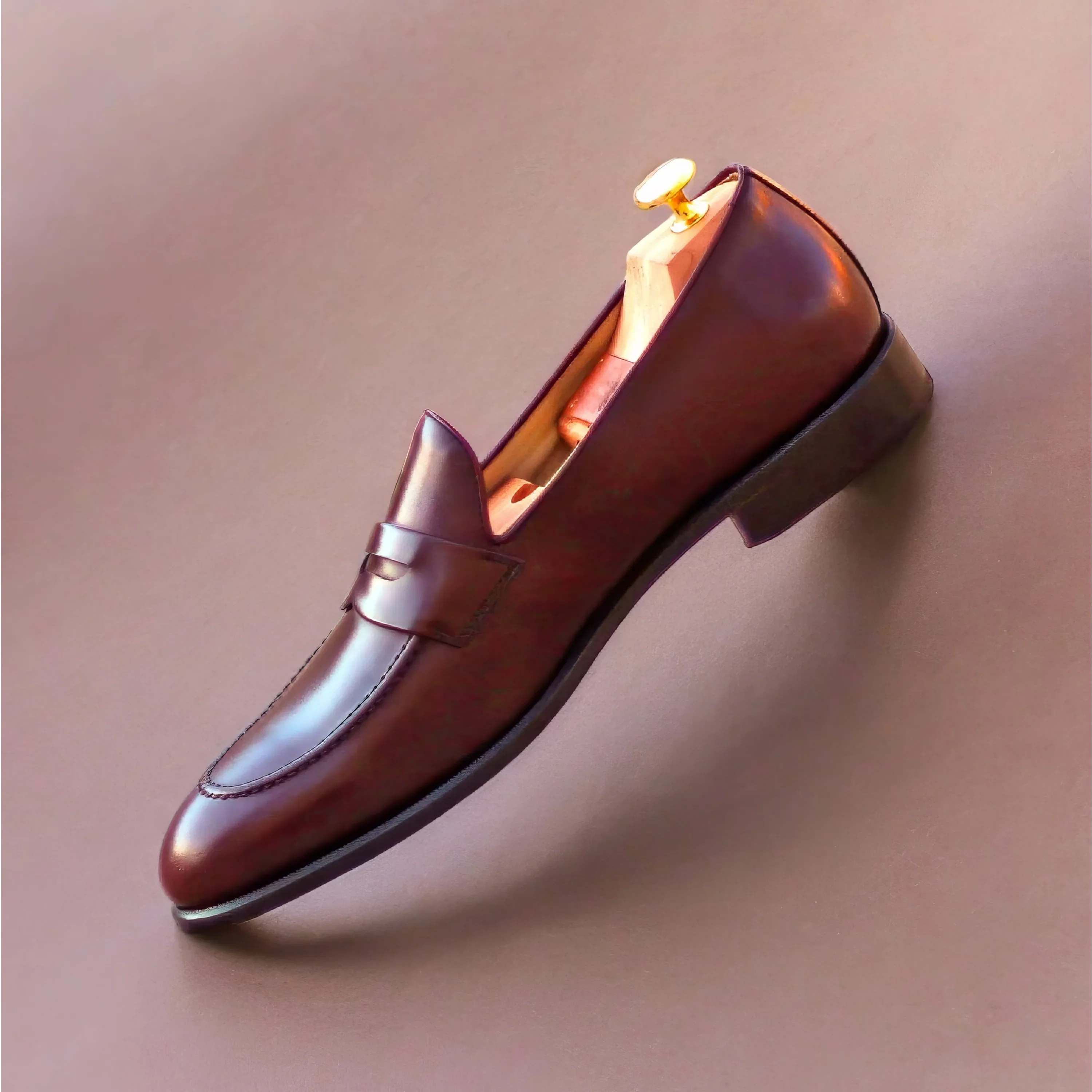
High-Stakes Manufacturing: Designer Suits' Surprising Secrets
Welcome to the world of high-stakes manufacturing—a realm where the bluster of mass-market "luxury" tries to drown out the whisper of true craftsmanship. Let's begin by shattering one of the biggest myths: the so-called "break-in period." This ridiculous notion is corporate jargon tailored to bamboozle you into thinking you need to suffer for your art—or, rather, your shoes. Whether it's a pair of Allen Edmonds or off-the-shelf synthetic kicks from some generic department store, you don't need to "break in" something that's built right from the start.
Table of Contents
- Table of Contents
- The Call-Out
- The Deep Dive
- The Rationale: Why Artisan over Mass-Market
- Pros of Artisan Craft
- Cons of Mass-Market "Luxury"
- Closing
- FAQs
The Call-Out
Marvel at the opulent labels flaunting their "Made in Italy" tags, only to find shoes slapped together in high-speed factories. It's like getting a prime cut of steak that's actually ground meat. Let's pick apart this myth: those magically concocted leather uppers? Often, they are nothing more than corrected grain leather doused in plastic paint. This is your formal invitation to skip the digital treadmill of department store markdowns and invest in artisanal quality.
The Deep Dive

An A/B comparison—Que Shebley versus industry giants like Berluti or even Santoni. One relies heavily on corporate metrics, cutting costs with machine-stitching masquerading as handcrafted. The other? Pure, rebellion-fueled independence.
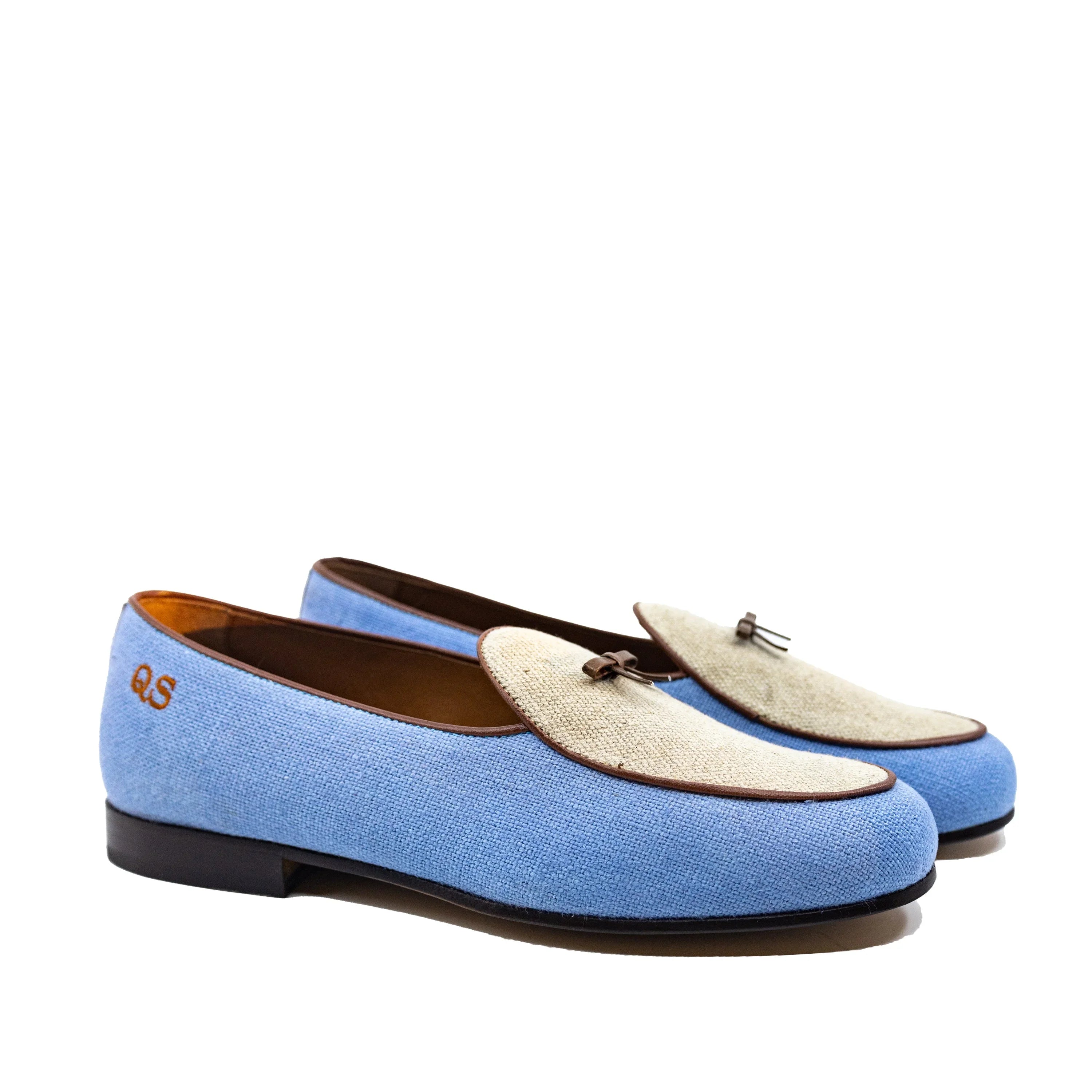
With Que Shebley, you find detailing that's not just for show. Hand-stitched sophistication is evident the moment you slip on a pair of our Ibb Belgian Monk Slippers, where each stitch speaks volumes of our Lebanese heritage.
The Rationale: Why Artisan over Mass-Market
Pros of Artisan Craft
- Genuine Craftsmanship: Our methods are painstakingly meticulous.
- Bespoke Tailoring vs Made to Measure: Tailoring that respects your individuality. Learn more in Bespoke Precision vs Costly Imprecision USA Perspective.
- Superior Materials: True, high-quality leather—no shortcuts.
Cons of Mass-Market "Luxury"
- Machine-stitching: A soulless facade. Learn more in The Truth Exposed: Stitching Bias in Bespoke Tailoring.
- Plastic-coated Leather: A charade, easily uncovered in Falling Apart: Shoes Material Chemistry Uncovered.
- Homogenized Fit: One-size-fits-most delusion.
Closing

The choice isn't complicated. It's stark. Do you want mass-manufactured mediocrity or authentic artistry? There's a difference you can feel, a truth that defies fancy labels and ad campaigns. Step into the realm of true craftsmanship with Que Shebley. Own the moment with our Gentil Loafers, or make a statement with our Trilo Loafers.
Welcome to The House of Que Shebley—where real quality is just a step away.
FAQs
What makes designer suits different from regular suits?Designer suits are often crafted with higher quality fabrics, superior tailoring techniques, and meticulous attention to detail. This commitment to excellence results in a garment that not only looks better but also fits and wears better over time.
Why is the fit of a designer suit so important?Fit is crucial because a well-fitted suit enhances the wearer’s silhouette and overall appearance. Designer suits are tailored to specific body types, ensuring optimal comfort and style, which makes a significant difference in how one carries themselves.
What materials are typically used in designer suits?Designer suits often utilize high-end materials such as wool, cashmere, silk blends, and linen. These fabrics are chosen not only for their aesthetic appeal but also for their durability and breathability, contributing to the suit’s longevity.
Are designer suits worth the investment?Investing in a designer suit can be worthwhile as it offers quality craftsmanship, unique designs, and longer-lasting wear. Over time, the durability of the materials and construction can make a designer suit more economical compared to cheaper alternatives.
How can I properly care for my designer suit?To maintain the integrity of a designer suit, it’s essential to follow care instructions closely. Regular dry cleaning, proper storage on wooden hangers, and avoiding frequent washing can help extend its life and preserve its tailored look.
Are there specific occasions where a designer suit is more appropriate?Designer suits are versatile and can be appropriate for various occasions, including business meetings, formal events, weddings, and galas. Their elegant design makes them suitable for settings where a polished appearance is essential.
What should I consider when choosing the right designer suit?When selecting a designer suit, consider fit, fabric, color, and style. It’s important to choose a suit that complements your body type while also aligning with your personal style and the occasions you'll wear it for.
Can a designer suit be tailored after purchase?Yes, most designer suits can be tailored further after purchase to achieve a perfect fit. It is advisable to take the suit to a professional tailor who specializes in alterations to ensure any adjustments maintain the suit's original integrity and design.

اترك تعليقًا
This site is protected by hCaptcha and the hCaptcha Privacy Policy and Terms of Service apply.