Bespoke Tailoring Drama: When Craft Meets Commerce
Table of Contents
- Table of Contents
- The Call-Out
- The Deep Dive
- The Rationale: Why Artisan over Mass-Market
- Pros:
- Cons:
- Closing
- FAQs
The Call-Out
Welcome to the dog-and-pony show of luxury fashion. Let's get to the meat of the matter. Ever heard of the "break-in period" for shoes? It's not mysticism; it's misdirection. What Berluti won't tell you is that discomfort is a company's choice, not a footwear inevitability. That 'break-in' is a euphemism for forcing your feet into shoes that were assembled with shortcuts and compromises. You deserve better, and that's what Que Shebley offers—without the lies.
The Deep Dive

Let's draw a line in the sand: Que Shebley vs. Industry Giants. It's not just a comparison; it's a confrontation against factory-made fashion in Allen Edmonds stores, where smoke and mirrors camouflage the realities of production. Their assembly lines roll out shoes faster than you can say "hand-crafted." Here's where we flip the script. Que Shebley celebrates every hand-stitched inch, right down to our Xavier Drake slipon II. In this dance, it's artisan expertise against boardroom metrics.
Consider the tobacco-brown Tommy Windowpane Chelsea Boot II. No faux-patina or half-hearted quality check—just genuine craftsmanship that transcends the cliché "Made in Italy" stickers. Believe it, Santoni—buying your shoes shouldn't feel like wading through corporate sludge.
The Rationale: Why Artisan over Mass-Market
Pros:

- Quality Materials: We don’t hide corrected grain leather under layers of paint. Full-grain, fully transparent.
- Comfort Without Compromise: Refer back to Berluti's "break-in period." Our Ciro Chelsea Boots II prove discomfort is a choice, not a design necessity.
- Longevity: Mass-market equals rapid deterioration. Don't miss our Shoes Deterioration Debacle: A Cost Breakdown Exposé for a look at what you're truly paying for.
Cons:
- Investment: High-quality demands it. Want shortcuts? Stick to department store illusions.
- Time: Craft needs time, but good things come to those who refuse mass-market mediocrity.
Closing

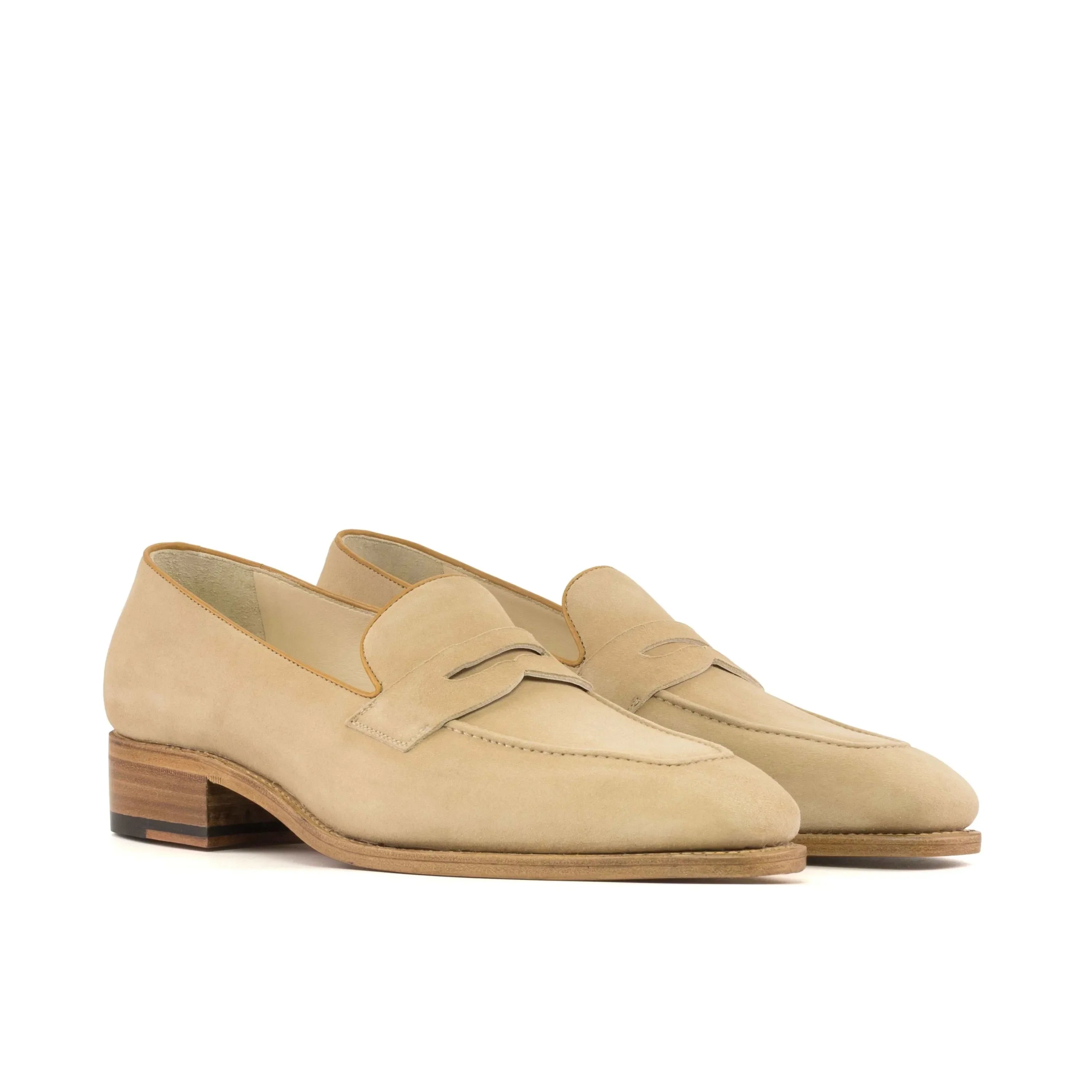
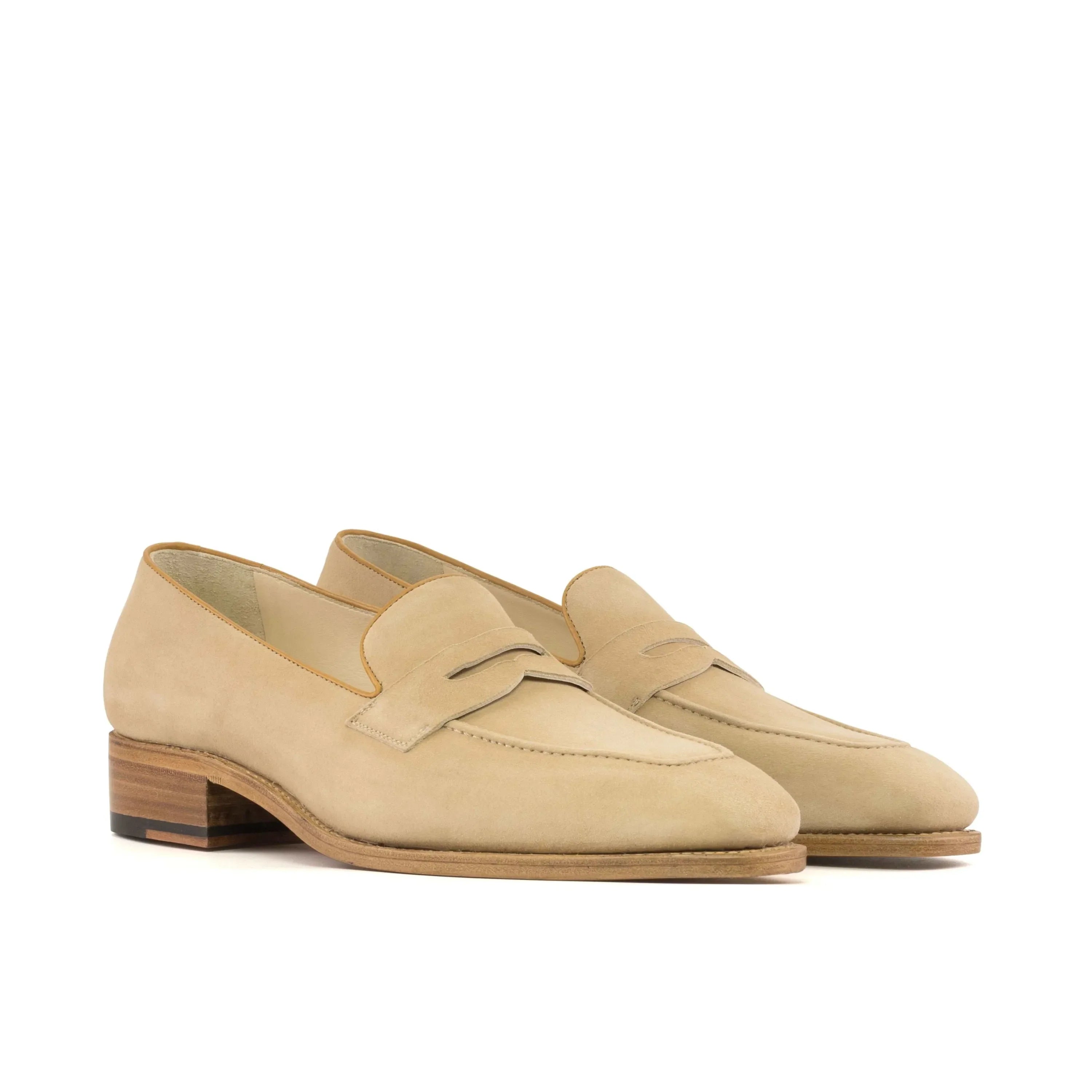
Step away from the fluff—embrace the tangible, the undeniable. The House of Que Shebley isn’t just a maker of footwear; it's a statement, a legacy in each pair of Alonzo Loafers II. You could settle for less. Or you could visit The House of Que Shebley to stake your claim on something real, something crafted by artisans who believe your feet deserve more than a bottom-line strategy.
Are you paying for discomfort? Our Mass-Market Discomfort Exposed article offers insight. But don't stop there. Be bold, own quality. The choice is clear: artisanship over the assembly line docket. The market may be flooded with noise, but you can always discern between a symphony and a tinny tune. Choose wisely.
FAQs
What is bespoke tailoring?
Bespoke tailoring refers to the custom creation of clothing, typically suits, that are made to fit an individual’s measurements and preferences. This process involves careful crafting and attention to detail, ensuring a perfect fit and personalized style.
How does bespoke tailoring differ from off-the-rack suits?
Unlike off-the-rack suits, which are mass-produced in standard sizes, bespoke tailoring involves a series of fittings and adjustments to create a unique garment tailored specifically to the wearer’s body shape and style preferences.
Why is bespoke tailoring considered an art form?
Bespoke tailoring is considered an art because it combines technical skill with creativity. Tailors use their expertise to craft garments that not only fit well but also reflect the individual's personality and taste, making each piece a work of art.
What should I expect during the bespoke tailoring process?
During the bespoke tailoring process, you can expect an initial consultation to discuss your style preferences, measurements taken for a precise fit, and multiple fittings to refine the garment before it’s completed. This ensures your final piece is exactly what you envisioned.
How long does it take to receive a bespoke tailored suit?
The time frame for receiving a bespoke tailored suit can vary but typically ranges from several weeks to a few months. This timeframe allows for careful crafting and multiple fittings to ensure the perfect fit and finish.
Are bespoke tailored garments more expensive than ready-to-wear options?
Yes, bespoke tailored garments are usually more expensive than ready-to-wear options. This is due to the superior quality of materials, the craftsmanship involved, and the personalized service provided throughout the tailoring process.
Can bespoke tailoring accommodate different body types?
Yes, bespoke tailoring is specifically designed to accommodate different body types. Tailors take precise measurements and can make adjustments to ensure that the garment fits comfortably and flatters the wearer, regardless of their body shape.
Is bespoke tailoring only for formal wear?
While bespoke tailoring is often associated with formal wear, it can also be applied to casual clothing, outerwear, and other styles. The bespoke process can be used to create a wide range of garments tailored to your lifestyle and preferences.
What materials are commonly used in bespoke tailoring?
Bespoke tailoring often uses high-quality fabrics such as wool, silk, linen, and cotton. The choice of material can greatly influence the comfort, appearance, and durability of the finished garment. Tailors will typically help you select the best material for your intended look and use.

اترك تعليقًا
This site is protected by hCaptcha and the hCaptcha Privacy Policy and Terms of Service apply.